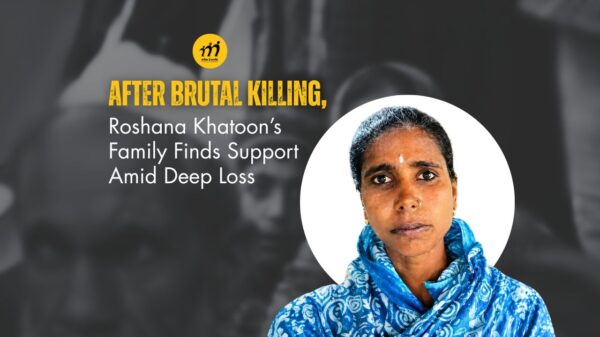




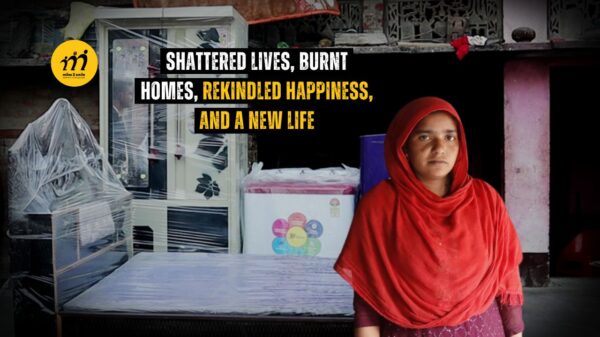


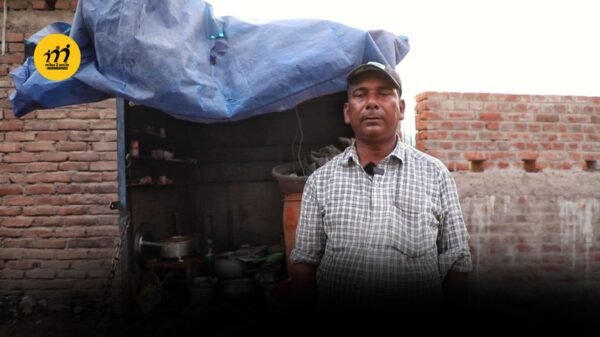

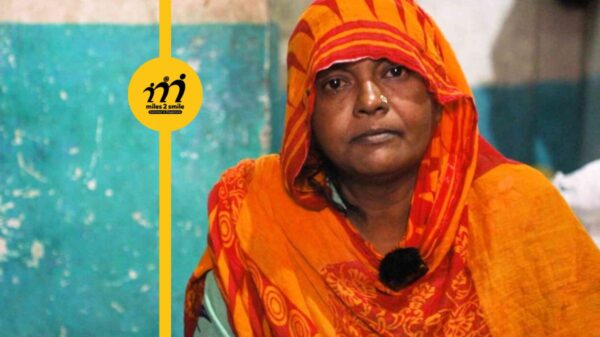
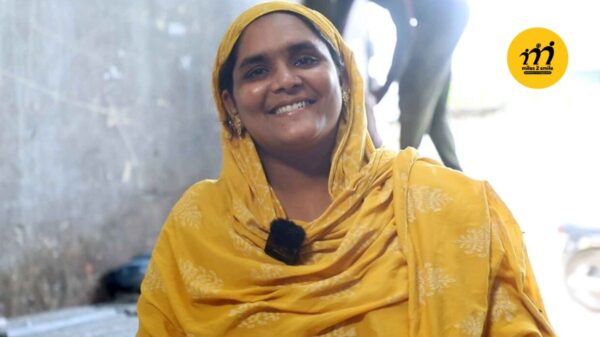
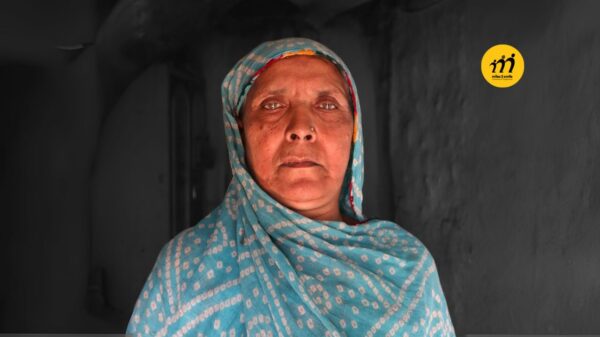
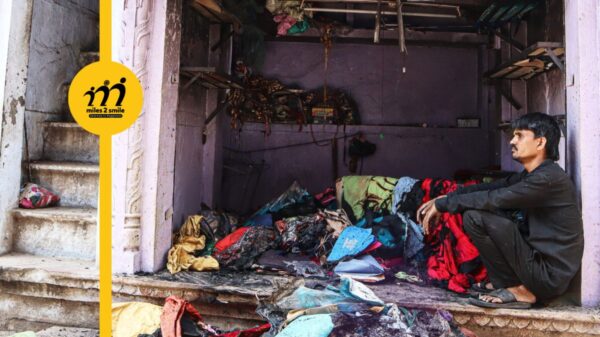
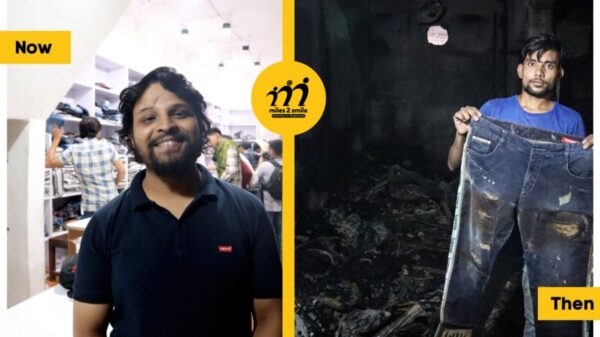
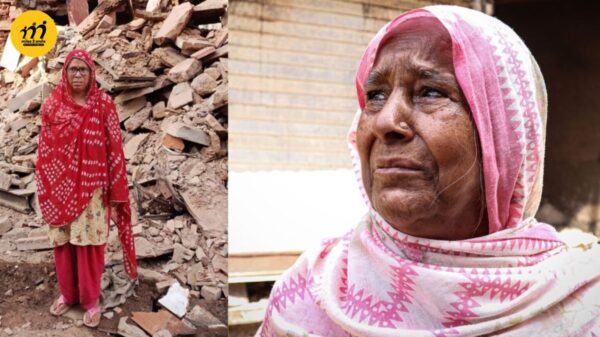
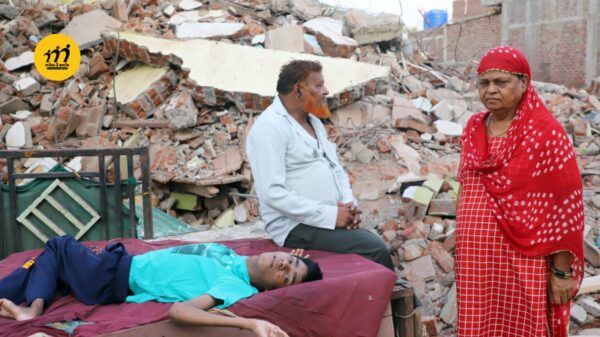
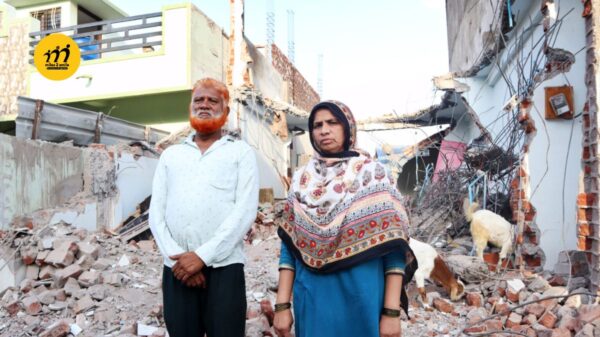

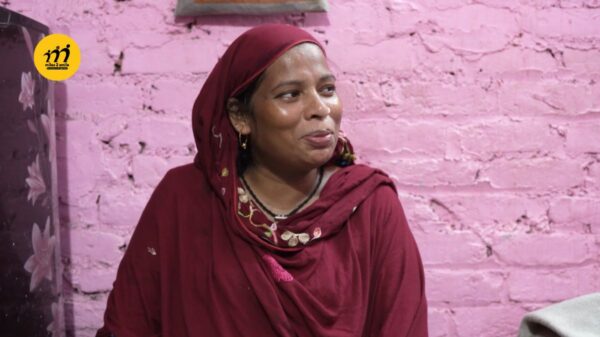





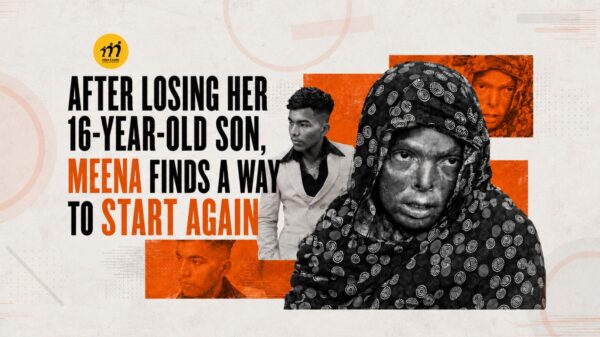

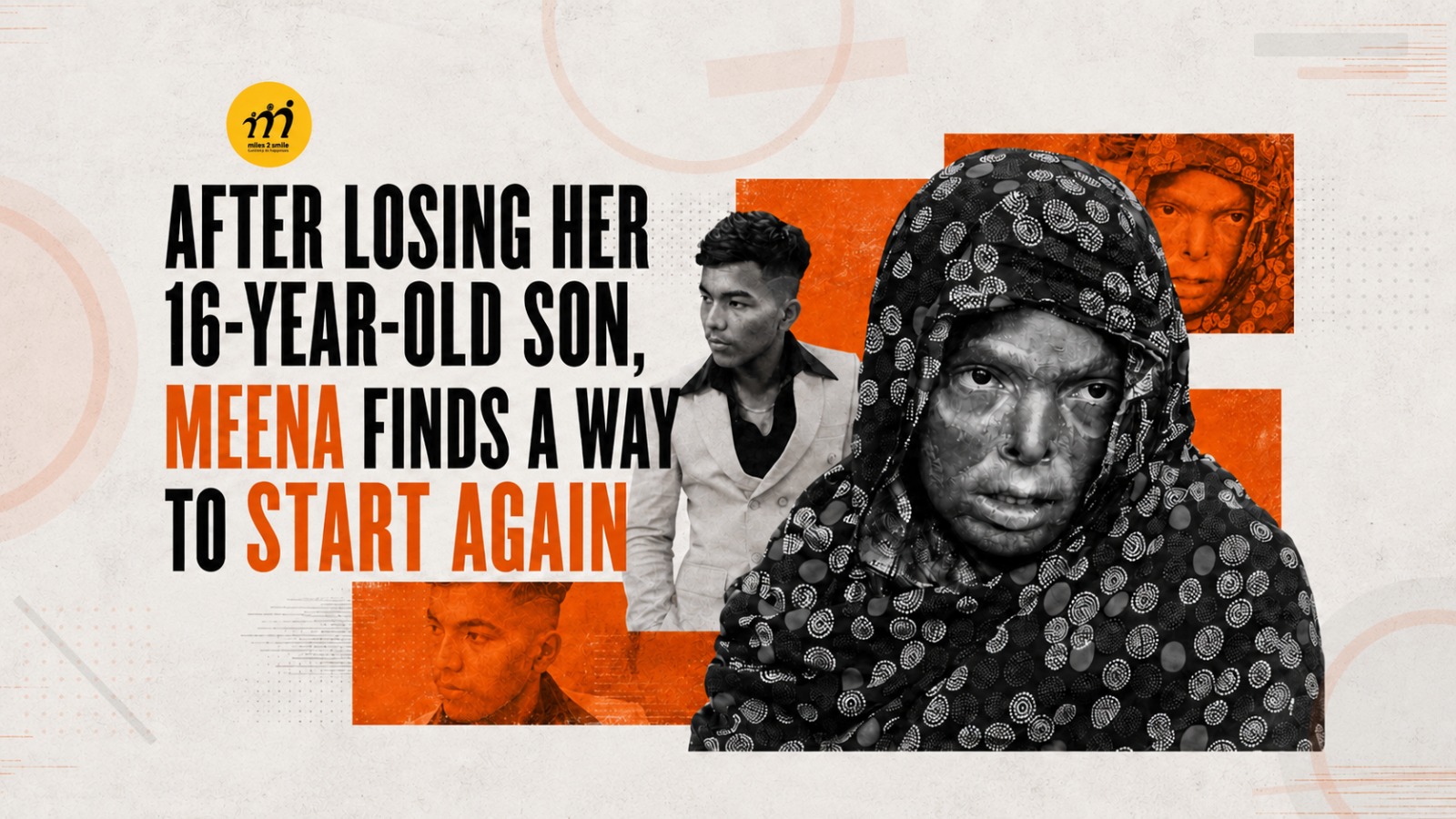

The clothes are still being arranged on the shelves. Some hang loosely from the walls, while others lie folded in small, uneven piles. Meena Khatoon moves around her shop, picking up each pile and carefully putting it in place. A smile sporadically appears on her face, but it does not stay for long. Every now and then, the smile fades as the image of her son, 16-year-old Aayan Saifi, returns to her mind.
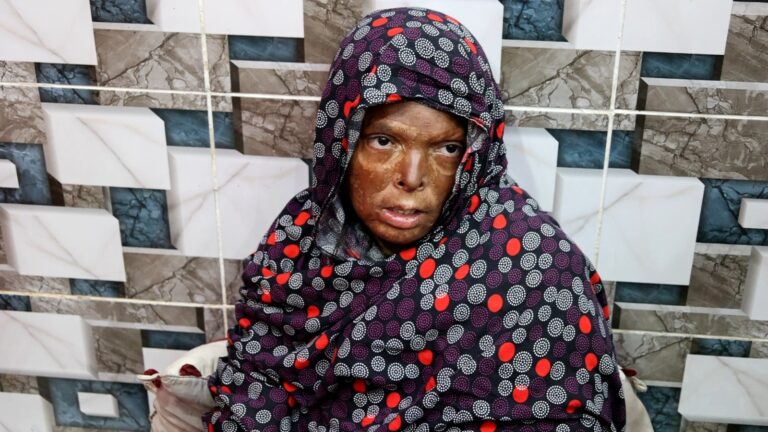
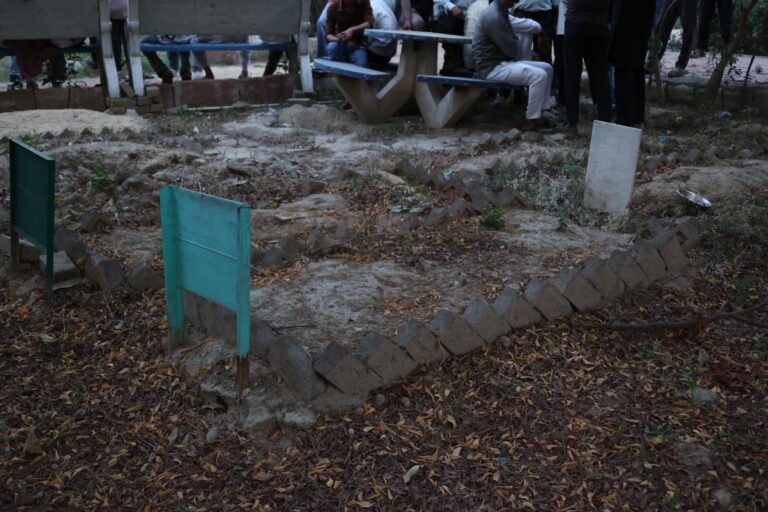
Saifi was, according to his family, deliberately targeted by a group of young men over a previous altercation in which he had no involvement. The attack took place near a local park in Trilokpuri, a working-class neighborhood in East Delhi that has witnessed tensions in the past.
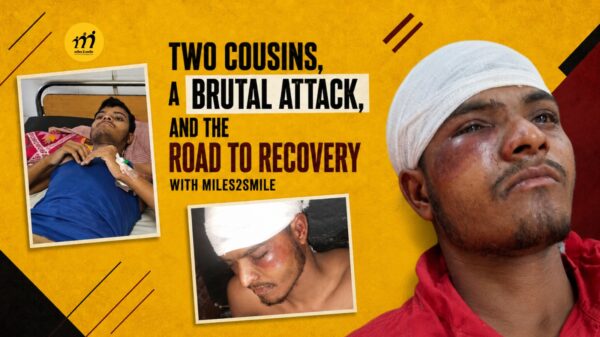
According to the family, around seven young men arrived at the park, surrounded Saifi and attacked him with knives. Saifi reportedly tried to defend himself but was outnumbered and overpowered. He suffered serious injuries and was left in critical condition.
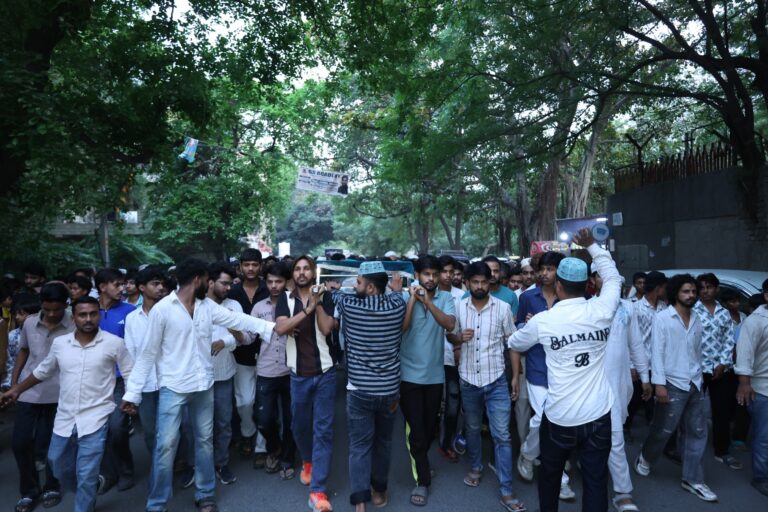
Soon after the attack, Saifi was taken to Lal Bahadur Shastri Hospital for treatment. His family alleges that he remained in the emergency ward for around half an hour without receiving adequate medical attention. They further claim that the delay in treatment worsened his condition.
Saifi was subsequently referred to the All India Institute of Medical Sciences (AIIMS) for further treatment. Despite efforts to save him, he succumbed to his injuries, leaving behind a grieving mother whose life had already been marked by uncertainty.
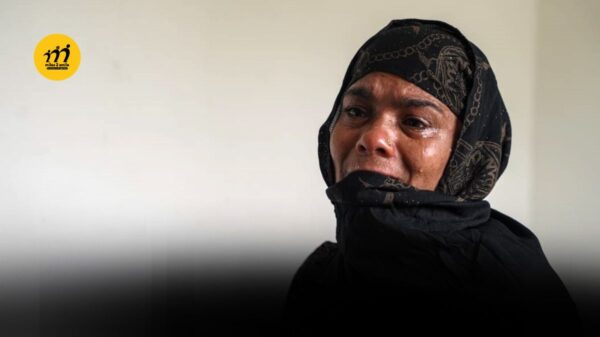
“After my son died, I did not know what I was supposed to do with my life. He was the one I looked towards,” Khatoon told Miles2Smile.
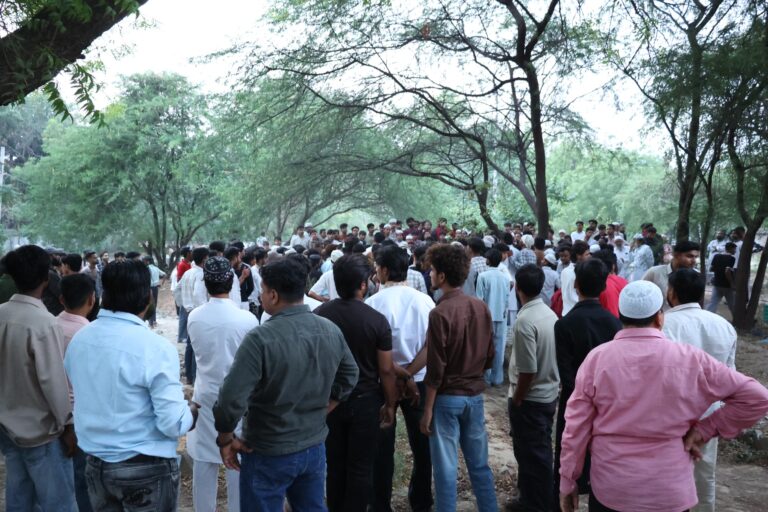
Khatoon had been separated from her husband. Saifi was not just her son; he was the person whose presence made the loneliness of her life bearable. His death tore open wounds she had barely managed to live with.
The house that once carried the laughter of her son, a place of placidness for her, suddenly became painfully silent.
“Sometimes I sit alone and feel like he will suddenly walk through the door. Then I remember that he is gone,” she said.
With Saifi’s death, Khatoon found herself facing questions that grief could not answer.
What would happen to her now? Who would stand beside her? Who would help her meet her daily needs? How would she survive without a steady source of income?
“The days have become very difficult after Aayan died. I keep thinking, what will happen to me now? How will I manage everything alone?” She said, talking to Miles2Smile.
Along with the question, grief was not the only thing weighing on her. Khatoon also began living with a growing sense of insecurity.
“I am afraid to stay alone. Every sound outside makes me nervous. I keep thinking, What if something happens to me too?” She further told Miles2Smile.
“I was thinking of installing CCTV cameras and a stronger gate at home so I’d feel more secure,” Khatoon shared with Miles2Smile.
Considering her fear, Miles2Smile promised to install a CCTV camera in the house. Soon the promise was fulfilled, and work was done.
However, security was only one part of the life she was struggling to rebuild. The grief remained. So did the financial uncertainty.
Khatoon did not want to spend the rest of her life depending on others. She wanted to work. She wanted to earn. “I did not want to keep asking people for help. I wanted to earn something myself. I wanted to have my own work,” she shared with Miles2Smile.
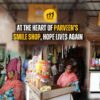
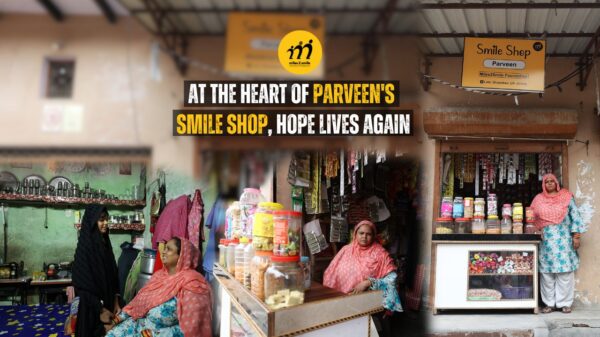
“I want to do business. I want to open a cloth shop,” Khatoon said. Soon after learning about her atrocities, Miles2Smile helped set up a clothing shop for Khatoon. For others this might be an ordinary shop, but for Khatoon this is her own smile shop, a place where she yet again builds her life and patches her wounds. Each piece of fabric in the shop bear witness to her recovering, to her reclaimed happiness and eroding loneliness.