


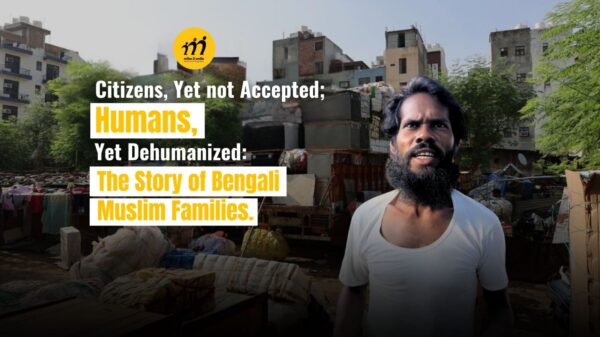






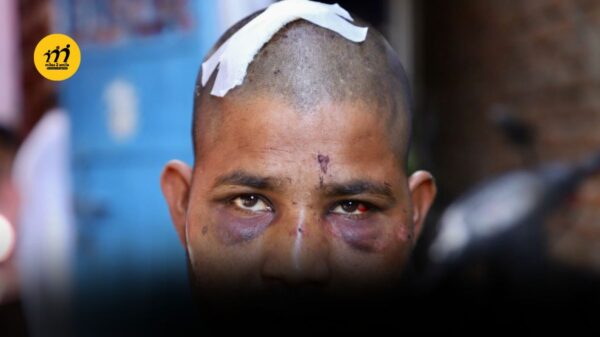

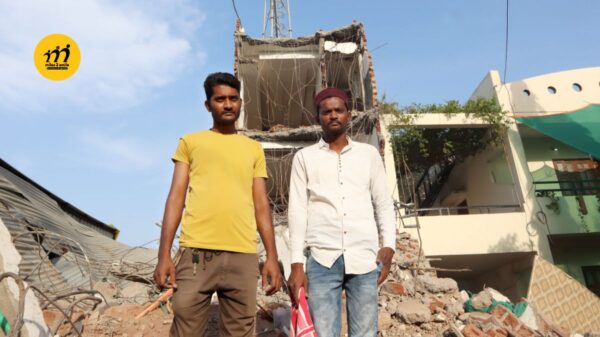
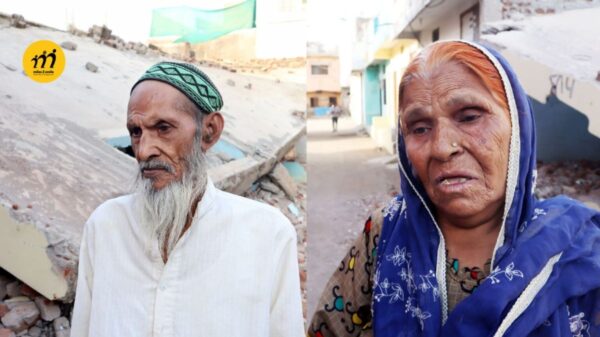

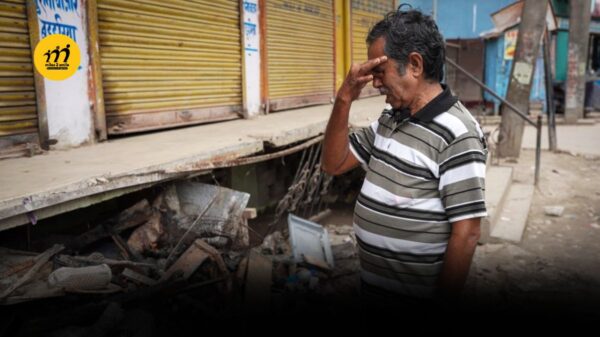












Over the summer of 2025 Assam saw an aggressive, widely reported wave of eviction operations that cleared tens of thousands of bighas of land, demolished thousands of homes and shops, and left scores of families of the Muslim minority communities suddenly homeless or displaced. The eviction operation, aimed at clearing alleged encroachments on Paikan Reserve Forest land, reportedly went ahead in violation of an interim order issued by the Gauhati High Court on July 11, 2025.
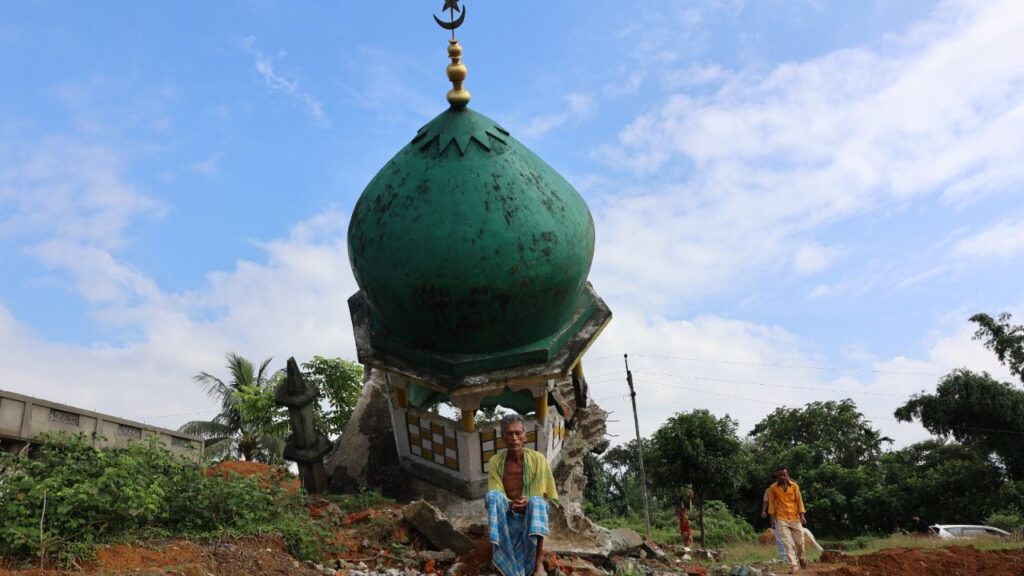
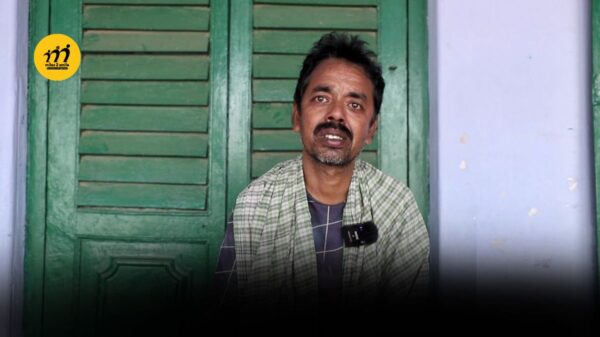
Victims recounted the sudden arrival of dozens of JCBs, the absence of prior notice, and the loss of not just their houses but cherished belongings, documents, and the basic means to live with dignity.
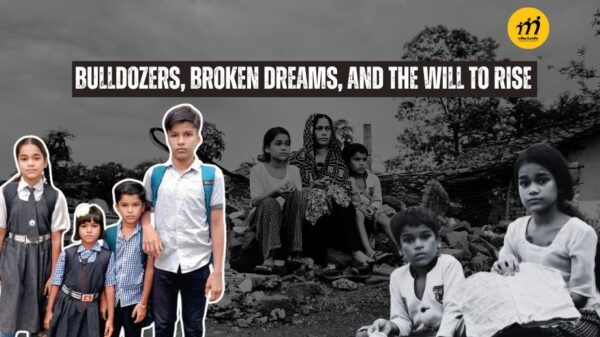
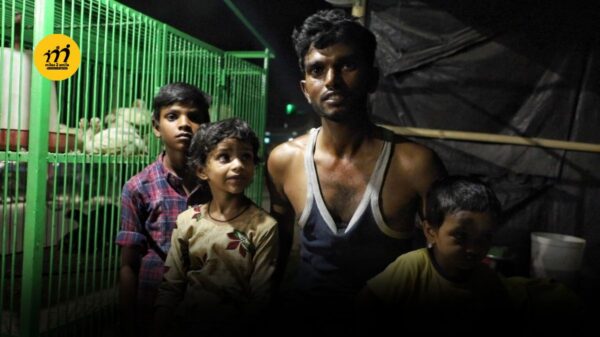
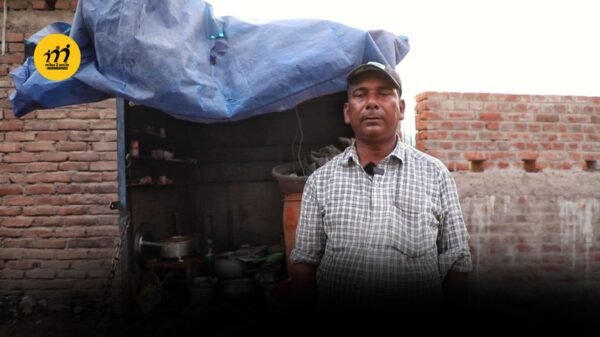
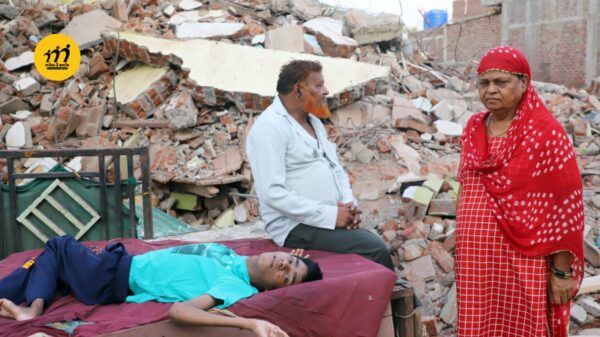
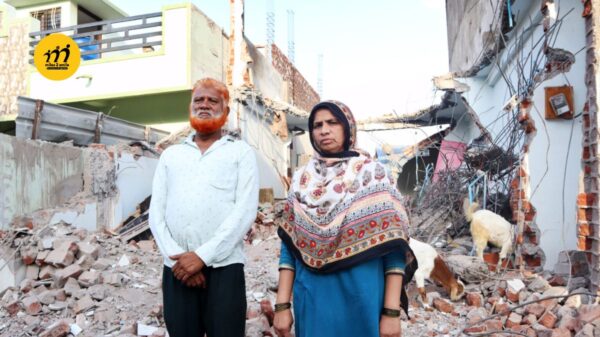
Amid scorching heat and makeshift shelters, residents—men, women, and children—struggled to survive while asserting their identity and questioning the legality and fairness of the government’s actions. The victims of the demolition claimed that “around 70-80 JCBs came crashing into their houses without them being given proper time to vacate.”
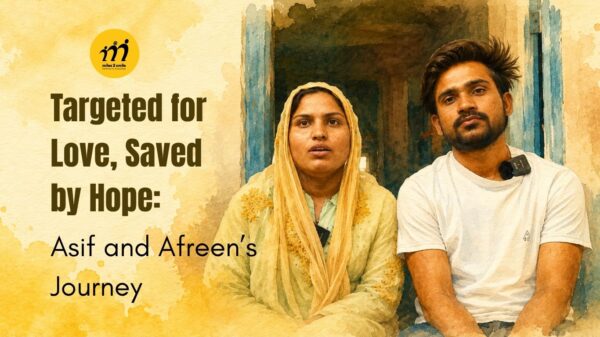
Miles2Smile travelled to eviction-ridden Assam to gauge the scale of loss and emotional turmoil it took on human lives. Destruction, cries, and pain are all we encountered. The drive shattered the lives of many, including women and children.
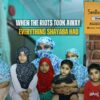
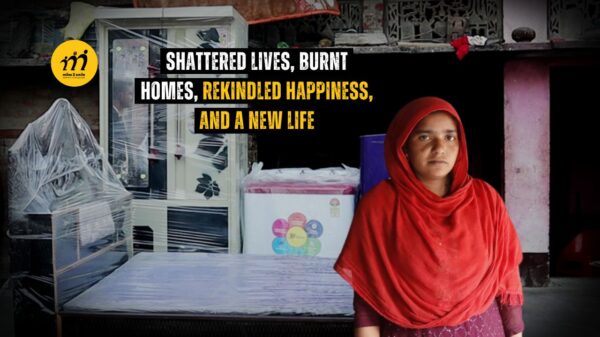
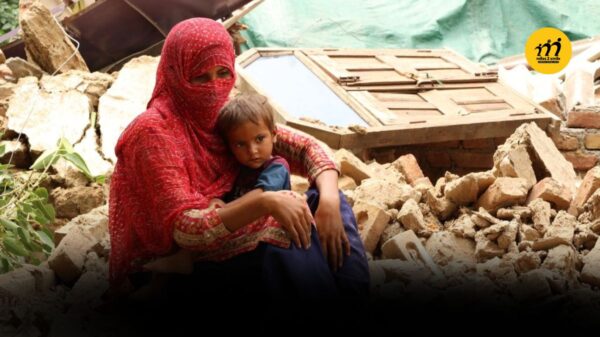
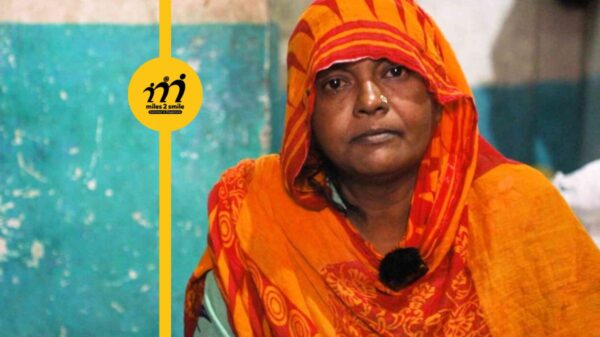
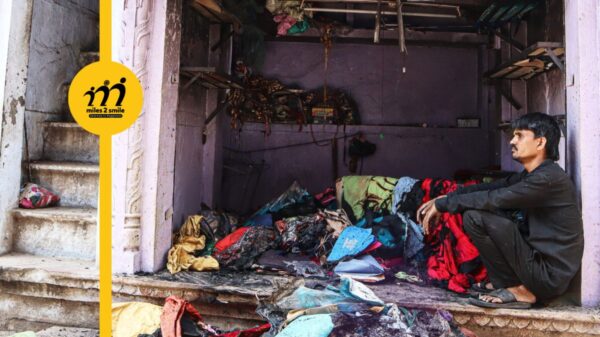
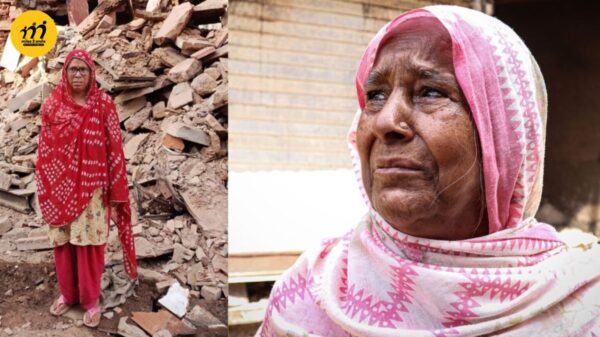
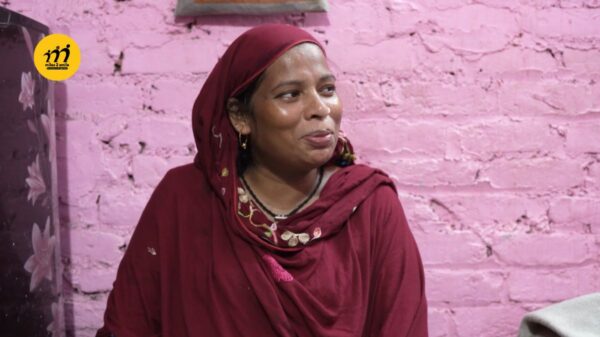
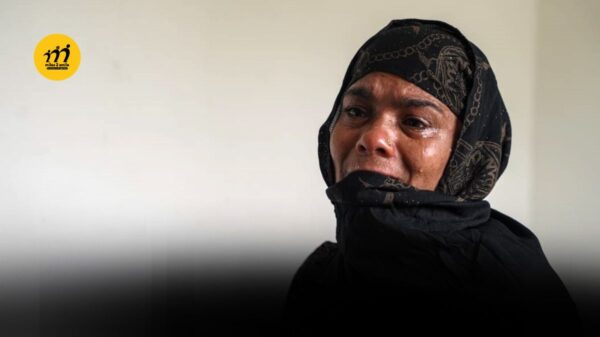
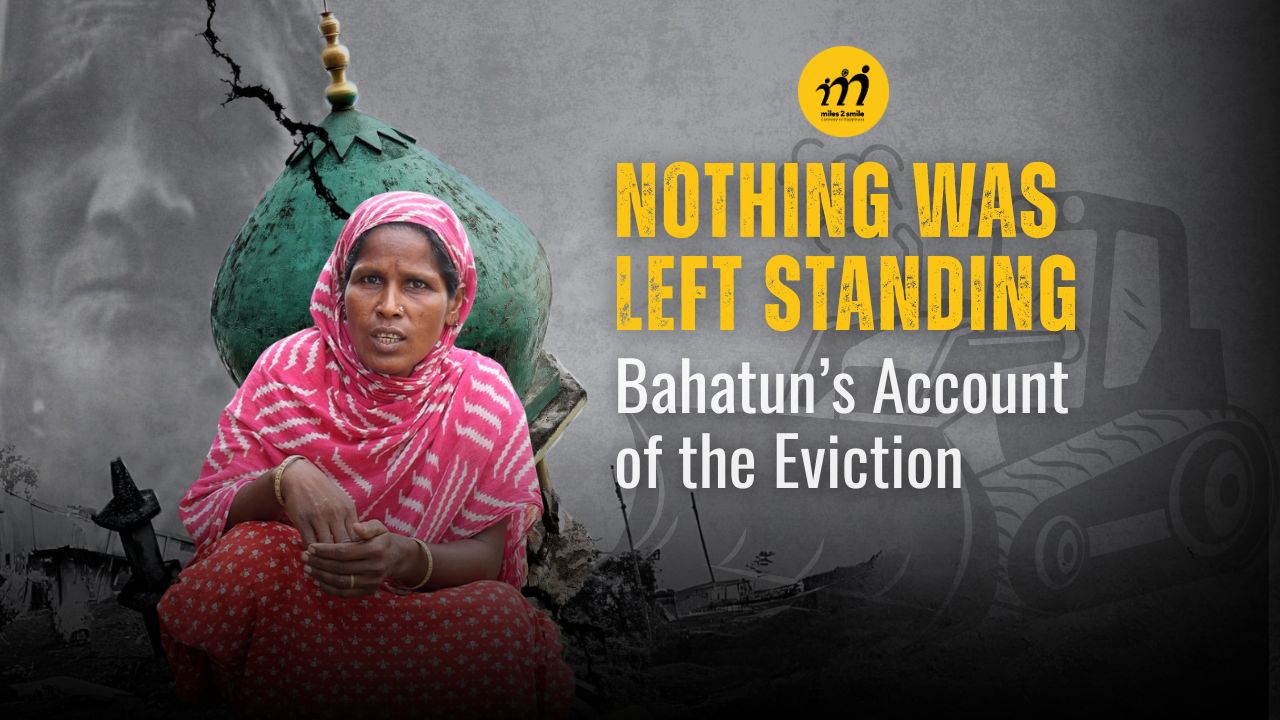
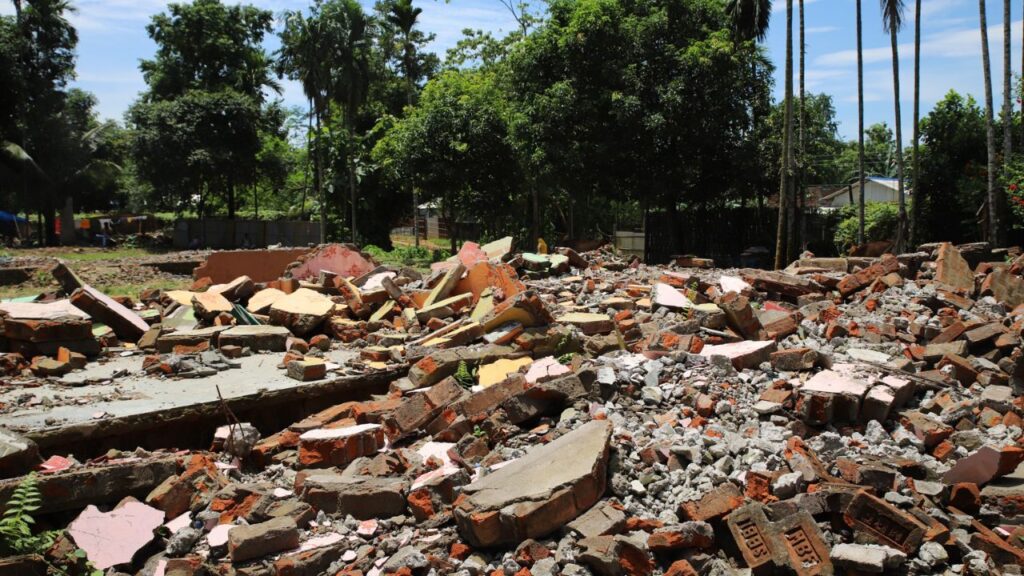
Bhutan, who saved a penny to make it a house, a home, lost it in a matter of a few hours. The house she had built slowly over the years was reduced to rubble, leaving her family with nothing but broken bricks and memories buried beneath them. “We couldn’t do anything, couldn’t take out anything—not even the children’s books,” she says. Along with the house, her children’s school materials, clothes, and documents were lost, pushing the family into sudden uncertainty.
“When people don’t give me anything, I don’t eat”
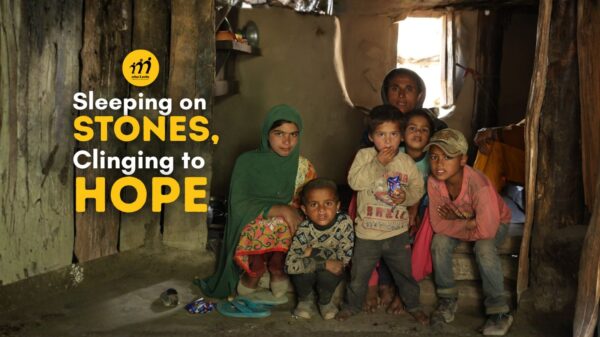
She survived under a makeshift cover. A torn trampoline sheet, given by members of the public, serves as her shelter. She eats whatever food people offer. “When people don’t give me anything, I don’t eat. Nothing happens,” she said, as if hunger has become routine.
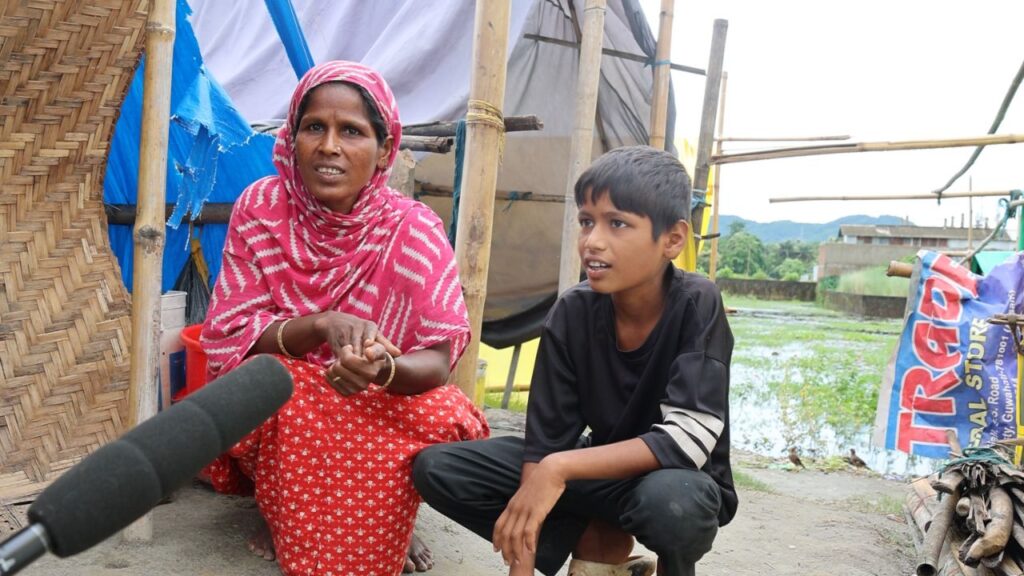
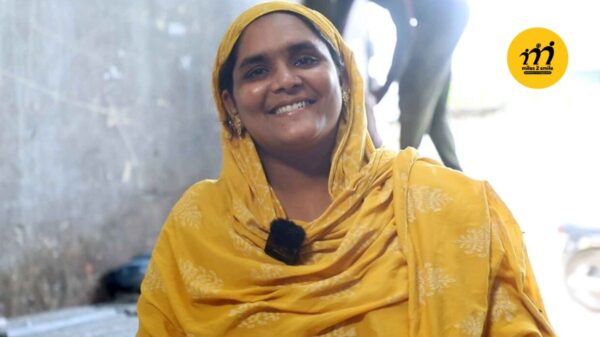
Life after the eviction stripped families of even basic necessities. Tarpaulin sheets were spread across open land, forming scattered shelters with no washrooms, bathing spaces, or access to clean drinking water. Women face the greatest hardship. Bahatun explains that the lack of toilets forces them to wait until early morning or late night to relieve themselves, exposing them to fear, illness, and humiliation.
The situation becomes even more unbearable during menstruation. With no washrooms or privacy, managing periods has turned into a daily struggle, affecting health and dignity. “There is no washroom, no place to change,” she said.
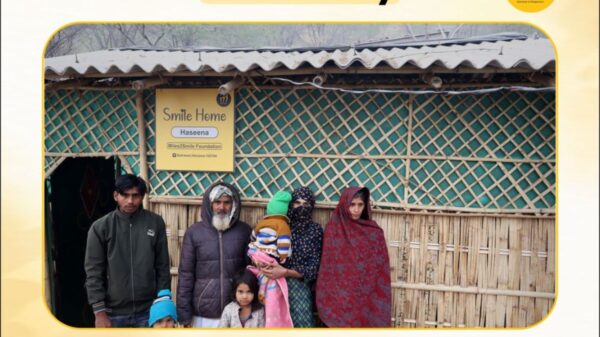
After listening to these concerns, Miles2Smile constructed washrooms near the settlement, giving women access to basic sanitation and privacy. The organization also provided tarpaulin sheets to help families build temporary shelters. While these steps cannot replace what was lost, they have reduced the daily hardship of living in the open and offered a small measure of relief amid displacement.