When Naveed Hussain Khan Rasheed walked out of jail after nearly two decades, freedom did not smell the way he had imagined it would. He entered prison as a call center employee accused in one of India’s deadliest terror cases, the 2006 Mumbai train blast.
Relief also came; his innocence was proven too. The Bombay High Court acquitted him and the 11 others accused in the case, but by that time, the best years of his life were already gone.
The court said the prosecution had failed to prove the case, but the life of Naveed did not change significantly. It still had damages. The loss of livelihood. The uncertainty of the future. Jobs were impossible to find. People knew his name, but only through headlines attached to terror allegations. The years in jail had destroyed his finances, interrupted his education, and taken away every chance at building a stable future.

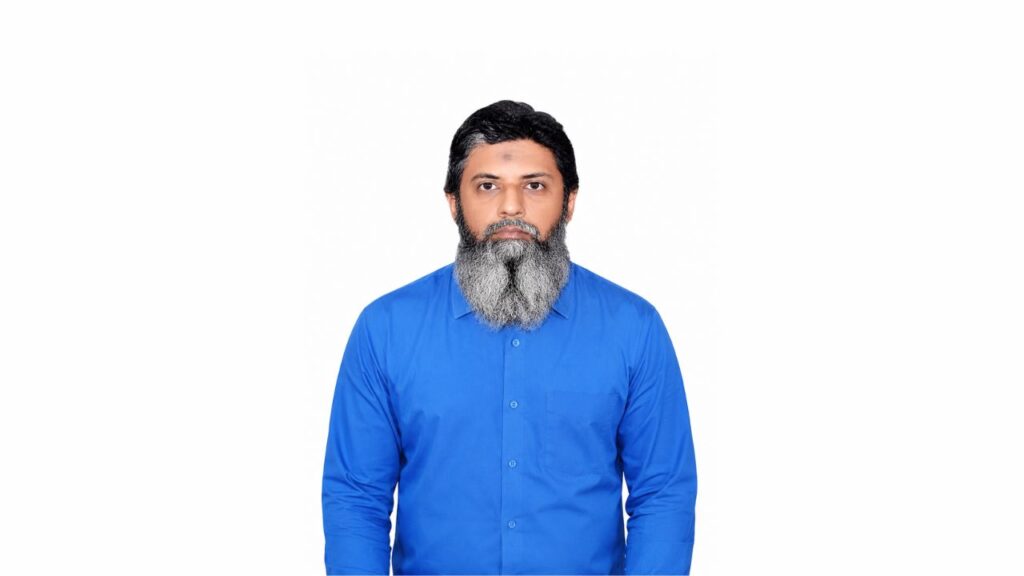
Born in Kuwait, Naveed grew up between dislocation and personal tragedy. His father, Rashid Hussain Khan, worked in Kuwait for years. Later, the family moved to Mumbai.
Then came the arrests after the July 11, 2006, train bombings that killed more than 180 people and injured hundreds across Mumbai’s suburban rail network.
The bombs, concealed inside pressure cookers, were allegedly designed to intensify the afterburn effect in a thermobaric reaction, making the explosions more devastating than conventional high explosives. The first blast was reported at 6:24 pm IST, with a series of explosions continuing until 6:35 pm during Mumbai’s peak evening rush hour.
The devices had been planted in first-class compartments of suburban trains operating on the Western Railway line from Churchgate to the city’s western suburbs. Explosions ripped through or near stations at Matunga Road, Mahim Junction, Bandra, Khar Road, Jogeshwari, Bhayandar and Borivali.
Then Union Home Minister Shivraj Patil said authorities had received “some” intelligence inputs warning of a possible attack, though the exact location and timing were unknown.
Ahead of this as many as 12 individuals were arrested including Naveed. He was accused of assembling bombs and planting one on a train near Bandra. The allegations placed him at the center of national outrage. Years passed as the case dragged through the courts.
The world had moved on without him. Cities changed. Routes revamped. People aged. But what remained constant was Naveed’s life. He found himself outside the prison but still trapped in the world of uncertainty. Soon public empathy disappeared too, and survival emerged as difficult as it could be. The clouds of absence of livelihood hovered over his head, and hopes remained fragile, but happiness glimmered too, eclipsing the clouds of worry, through Miles2Smile.
Miles2Smile helped Navid move his life and start his livelihood again. Through the unanimous decision, a cloud kitchen was inaugurated for Navid. The smell of its food fills Navid’s life with happiness. The cloud kitchen is not only a source of income but an act to demonstrate that humanity transgress above all.